
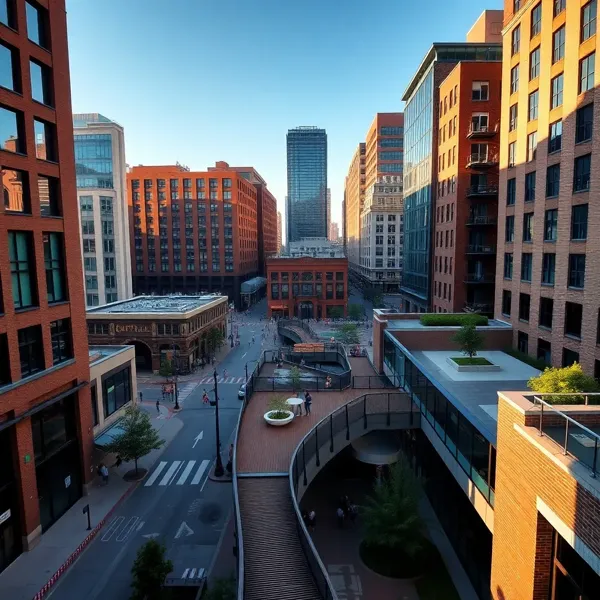
How Architects Shape Urban Planning: Insights from Buffalo, NY with Kaz Architecture PLLC
The Role of Architects in Shaping Urban Futures
When we think about our cities, it’s easy to overlook the critical planning that goes into creating the spaces we live and work in. Urban planning is all about designing places that meet the needs of people and the environment. Architects play a huge role in this process, using their creativity and technical skills to shape the buildings and spaces we see around us. Their work goes beyond just making things look good; it’s about improving how we interact with our cities. When architects and city planners team up, they can create vibrant, functional communities that enhance our quality of life. By working together, they make sure that every new design not only fits in with the existing urban landscape but also supports the needs and aspirations of the people who will use those spaces. It’s a partnership that helps turn ideas into reality, leading to more connected and thriving neighborhoods.
Collaboration Between Architects and City Planners for Success
When thinking about how buildings and public spaces come together, we need to consider just how closely architecture and urban design work together. Architects and urban designers are like a team of chefs working in a kitchen—they need to mix their different skills and ideas to create a perfect dish. Architects focus on the aesthetics and functionality of individual buildings, while urban planners look at the bigger picture of the entire city layout. By combining their expertise, they can make our neighborhoods more livable, attractive, and accessible. This teamwork is crucial because it helps shape spaces that are not only beautiful but also serve the community’s needs effectively. With thoughtful planning, we can enjoy parks, shops, and homes that flow together seamlessly, creating vibrant areas where people love to spend time.
The Power of Architects and City Planners Working Together
When architects and city planners work together, they can unlock the full potential of a neighborhood. Imagine building a new park that isn’t just green space but also includes playgrounds, walking paths, and spots for community events. This happens when architects take input from city planners and local residents to design spaces that everyone can enjoy. A great example is when planners consider foot traffic and nearby facilities—they can position benches, bike racks, or water fountains in a way that’s convenient for people. This collaboration also ensures that new buildings fit in well with existing ones, making the area feel more connected. When these professionals join forces, the whole community benefits, creating vibrant spaces that people want to visit and enjoy while meeting their everyday needs.
Empowering Communities Through Inclusive Design Practices
When architects and city planners team up, they bring out the best in each other, creating neighborhoods that truly shine. Imagine designing a brand-new community center. An architect might dream up a stunning building, but a city planner will ensure it’s in a location where it’s easy for families to access. They can work together using community feedback, figuring out what features locals really want, like a library, a place to hold events, or even cozy spots to hang out. By merging their knowledge, they can create spaces that are not just eye-catching but also welcoming and functional. This teamwork makes it easier for everyone to enjoy their neighborhood, fostering a sense of belonging and connection. Ultimately, when architects and city planners collaborate, they’re not just building structures; they’re laying the groundwork for vibrant community living.
The Lasting Impact of Architects on Urban Design
In conclusion, architects play an essential role in shaping our urban landscapes, especially in cities like Buffalo. Their collaboration with city planners ensures that new buildings and public spaces are not just visually appealing but also meet the needs of the community. This partnership leads to vibrant neighborhoods where people can connect, enjoy nature, and access essential services with ease. As we look to the future, it’s clear that inclusive design and community involvement will continue to transform urban areas into welcoming spaces for everyone. By understanding and advocating for our neighborhoods, we can support architects in their mission to create better urban environments. Let’s celebrate their efforts and work together to enhance our city for all its residents!

 © Kaz Architecture & David Thomas Kazmierczak
 © Kaz Architecture & David Thomas Kazmierczak
Leave a Reply
Want to join the discussion?Feel free to contribute!