
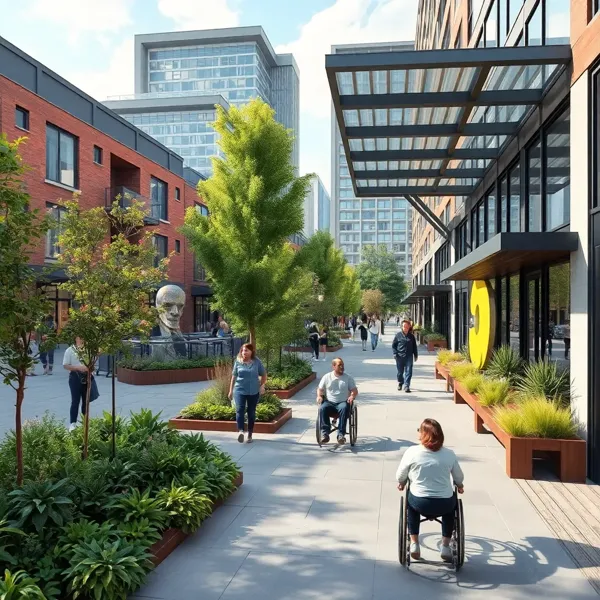
Empowering Spaces: How Architects in Buffalo Can Transform Accessibility for All
The Vital Role of Accessibility in Modern Architecture
Accessibility in design means creating spaces that everyone, no matter their abilities, can use comfortably and safely. It’s not just about adding ramps or elevators; it’s about making sure that everyone feels included, regardless of their physical challenges or mobility needs. Architects play a crucial role in this by designing buildings and public spaces that invite participation from all community members. When spaces are accessible, they can change lives by fostering independence and connection. Imagine how much richer our communities become when everyone can enjoy parks, libraries, and shops without barriers. In a world that’s constantly growing and evolving, it’s essential that we prioritize accessibility in architecture to ensure that no one is left behind. This not only strengthens our communities but also enhances the overall quality of life for individuals and families.
Buffalo’s Accessibility Challenges: A Historical Perspective
When we talk about accessibility in architecture, we’re diving into how buildings and public spaces can be designed for everyone. This includes people of all ages and abilities, such as those in wheelchairs, parents with strollers, and older adults. Architects have the special job of thinking about everyone’s needs, making sure spaces are welcoming and easy to navigate. This doesn’t just benefit those who have disabilities; it creates an environment where everyone can spend time together. Picture a park where families can play, friends can gather, and everyone can enjoy a sunny day out. When we prioritize accessible design, we open the door for stronger community bonds and a healthier, more vibrant society. Emphasizing inclusivity isn’t just nice to have; it’s essential for the growth and unity of modern cities like Buffalo.
Innovative Solutions for Boosting Accessibility in Buffalo
Accessibility in Buffalo isn’t just a modern concern; it’s a part of the city’s rich architectural story. While Buffalo boasts beautiful historic buildings, many present challenges for those with mobility issues. For example, some older buildings don’t have ramps or elevators, making it tough for people to access them. However, there are shining examples of accessible spaces, like Canalside and the Buffalo and Erie County Botanical Gardens. These places not only welcome everyone but also show how thoughtful design can positively impact the community. But there’s still work to do! Identifying gaps in accessibility means looking at areas where more improvements are needed, especially in transit and neighborhood parks. By focusing on these challenges, architects in Buffalo can make sure that everyone can enjoy all the amazing experiences the city has to offer.
Empowering Communities Through Collaborative Accessibility Initiatives
Collaboration is key when it comes to improving accessibility in Buffalo. Architects can’t do it alone; they need to work closely with community members and organizations that understand the unique challenges faced by individuals with disabilities. By engaging with local groups, architects can gather valuable insights and ideas that ensure designs truly meet the needs of everyone. Teamwork doesn’t just stop at architects; it involves collaborating with engineers, landscape designers, and even city planners. Success stories like the revitalization of waterfront spaces highlight how these partnerships can lead to innovative solutions that make the community more accessible. When everyone works together, we can create spaces that invite and inspire, making Buffalo a welcoming place for all. Ultimately, a united effort helps build a stronger, more inclusive community that celebrates its diversity and ensures everyone can participate fully in city life.
Creating Lasting Change Through Accessible Architecture in Buffalo
Accessible design has the power to transform our communities and improve lives. By creating spaces that everyone can use comfortably, we build a stronger Buffalo that embraces diversity and inclusivity. This isn’t just about meeting legal standards; it’s about making sure everyone feels welcomed and valued. When architects work together with community members, they can create innovative solutions that benefit everyone—whether it’s families enjoying a park or individuals accessing vital services. We have the opportunity to advocate for meaningful changes that will leave a lasting impact. So, let’s encourage each other to participate in this movement for accessibility, ensuring that our city thrives as a place where everyone can share experiences and connect. Together, we can make Buffalo a model for inclusive architecture, inspiring not just our own community, but cities everywhere.

 © Kaz Architecture & David Thomas Kazmierczak
 © Kaz Architecture & David Thomas Kazmierczak
Leave a Reply
Want to join the discussion?Feel free to contribute!