
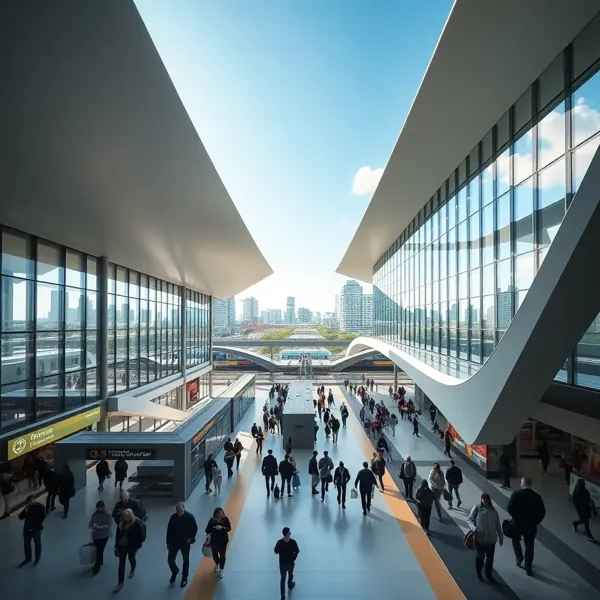
Designing the Future: How Architects Shape Transportation Facilities in Buffalo, NY
The Role of Architects in Designing Buffalo’s Transportation
When it comes to designing transportation facilities in Buffalo, architects play a crucial role. They don’t work alone; they collaborate with engineers and city planners to create spaces that work well for everyone. This teamwork is important because transportation facilities like bus stations, train terminals, and bike paths greatly affect how people move around the city. A well-designed transportation system can make commuting easier, reduce traffic congestion, and improve overall community well-being. With the right designs, we can create places that are not only functional but also enjoyable for residents and visitors alike. Ultimately, the work of architects shapes the daily lives of Buffalo’s residents, influencing everything from their daily commutes to their overall experience in the city.
Historical Evolution of Buffalo’s Transportation Infrastructure
In Buffalo, the design of transportation facilities has a rich history that reflects the city’s growth and change over time. From the early days of horse-drawn carriages to the development of modern subway systems, each era brought new challenges and opportunities. Notable architectural landmarks, like the iconic Buffalo Central Terminal, have served as important hubs for transportation, connecting people and places. However, not all projects have been successful; some past designs faced issues that teach us valuable lessons about what works and what doesn’t. By looking back at these successes and failures, architects today can create transportation facilities that improve urban mobility and serve the community better, making Buffalo a more vibrant and connected place to live. Embracing this historical context helps pave the way for future innovations in transportation design.
Innovative Trends in Buffalo Transportation Facility Design
In recent years, there has been a noticeable shift in how transportation facilities are designed in Buffalo. Architects are focusing more on sustainability, using eco-friendly materials and energy-efficient designs to help protect the environment. This trend not only benefits the planet but also creates nicer spaces for people to use. Additionally, technology is a big part of modern design. Smart features like real-time transit updates and interactive maps help make travel easier for everyone. Another exciting trend is the blend of different spaces—think bus stations that also have shops and parks nearby. This mixed-use approach encourages more foot traffic, connects neighborhoods, and makes public transportation a more enjoyable experience. By embracing these innovative trends, architects are not just building transportation facilities; they are shaping a brighter, more connected future for Buffalo.
Community Engagement in Buffalo Transportation Facility Design
Buffalo has seen some amazing transportation projects that showcase the city’s dedication to modern design and functionality. A standout example is the Buffalo Central Terminal renovation, which aims to breathe new life into this historic hub. The vision behind the project is to transform it into a vibrant space that not only serves as a transit point but also as a community gathering place. Another significant project is the NFTA Metro Rail system, which has enhanced connectivity across the city while promoting a user-friendly experience. Additionally, recent bus transit hub redesigns focus on making the spaces more welcoming and efficient, often including amenities like seating areas and digital displays for real-time updates. These case studies highlight how innovative design can greatly improve public transportation in Buffalo, making it easier for residents to navigate the city while fostering a sense of community.
Shaping Buffalo’s Transportation Future Through Design
Architectural design plays a vital role in shaping the transportation landscape of Buffalo. By collaborating with engineers and city planners, architects help create spaces that are not only functional but also enhance the overall experience for residents and visitors. As we’ve seen through Buffalo’s rich history and recent innovative trends, listening to community voices is essential. Engaging local residents during the design process leads to transportation facilities that truly meet their needs. Looking ahead, as technology continues to evolve, we can expect even smarter, eco-friendly transit solutions that foster urban resilience. For Buffalo to thrive, it’s crucial for community members to stay involved and share their ideas, ensuring that future transportation facilities reflect the spirit and needs of the city. Together, we can shape a more connected and welcoming Buffalo!

 © Kaz Architecture & David Thomas Kazmierczak
 © Kaz Architecture & David Thomas Kazmierczak
Leave a Reply
Want to join the discussion?Feel free to contribute!