
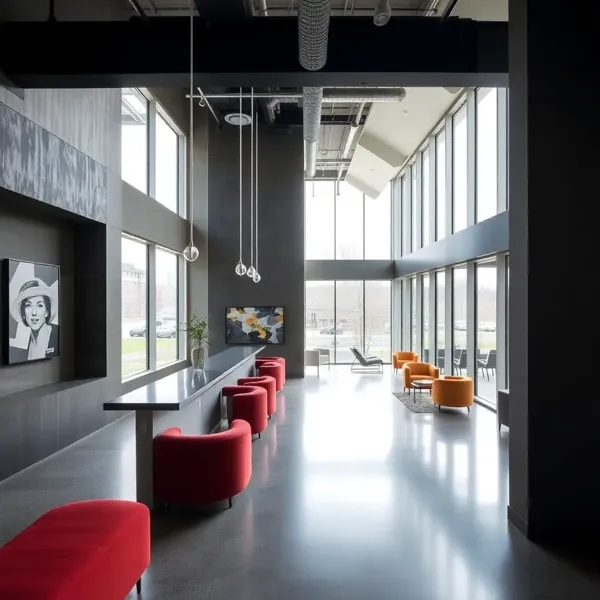
How Architects Shape Interior Design: Insights from Kaz Architecture PLLC in Buffalo, NY
How Architecture Influences Interior Design Dynamics
When you think about a building, you might only picture its outer walls and roof. However, what happens inside those walls is equally important! Architects play a crucial role in shaping not just the structure but also the feel of the interior spaces. They consider how people will move through a room and how it will be used. This planning ensures rooms are functional and comfortable. For example, an architect might create an open layout that encourages family gatherings in a living room, making it a warm and inviting space. By making smart decisions about layouts and design elements, architects help bring out the beauty in each room while keeping practical needs in mind. This collaboration between function and style is what makes a home or commercial space truly special.
The Architect’s Influence on Functional and Aesthetic Spaces
Architects don’t just focus on blueprints; they also consider how their decisions impact the aesthetics of a space. For example, the choice of ceiling height can transform a room from cozy to grand, influencing how people feel when they step inside. By using design elements like windows and door placements, architects ensure that natural light flows through the space, creating an inviting atmosphere. This thoughtful approach often results in breathtaking interiors that blend functionality with beauty. Think about how a well-placed window can highlight a stunning view or how an architect’s choice of materials can evoke warmth or sophistication. These details create an environment where you not only live but also thrive, making each room a unique reflection of your lifestyle and needs. In this way, architects are essential in turning concepts into vibrant, livable spaces.
Collaborative Synergy: Architects and Interior Designers Unite
Architects work alongside interior designers to create beautiful, functional spaces. This teamwork brings together different skills and ideas to enhance any environment. When architects and interior designers collaborate, they can ensure that every aspect of the space fits together perfectly. For example, an architect may design a room with large windows to invite in natural light, while an interior designer chooses colors and furnishings that complement that bright atmosphere. This blend of vision helps to create spaces that are not only beautiful to look at but also comfortable and livable. Together, architects and interior designers can tackle challenges, such as optimizing small areas or highlighting unique architectural features. Ultimately, this united approach leads to spaces that truly resonate with those who live and work in them, making every project a joyful expression of creativity!
Holistic Design: A Unified Approach to Spaces
When thinking about great design, it’s crucial to remember that every choice impacts the entire space. This is where the magic of holistic design comes into play. Architects take a “big picture” approach, considering how every element—like walls, windows, and materials—connects to create a welcoming environment. For example, in a cozy home, well-chosen furniture can complement the architect’s layout, while in a bustling office, the right colors and textures can enhance productivity. By focusing on the relationship between architecture and interior design, professionals aim to build spaces that not only look fantastic but also feel just right. This unified approach ensures that every corner of a room serves a purpose, making it easier for people to live, work, and enjoy their surroundings. Embracing holistic design leads to interiors that genuinely capture the spirit of those who use them!
Transformative Impact of Architecture on Interior Design
In conclusion, the relationship between architecture and interior design is truly transformative. When architects and interior designers collaborate, they create spaces that are not only functional but also visually stunning. By focusing on every detail, from how natural light enters a room to the selection of materials, they ensure that homes and commercial spaces reflect the lifestyle and needs of the people who use them. Holistic design allows for a harmonious flow throughout the space, making it a joy to live and work in. As we continue to embrace innovation, sustainability will play an even bigger role in shaping our interiors. So, whether you’re planning a home renovation or designing a new office, remember that the synergy between architecture and interior design can lead to remarkable results that truly uplift our everyday experiences!

 © Kaz Architecture & David Thomas Kazmierczak
 © Kaz Architecture & David Thomas Kazmierczak
Leave a Reply
Want to join the discussion?Feel free to contribute!